


Unlocking the Value of Art: Exploring Depth, Emotion, and Mastery
- Artmastry
- May 28, 2024
- 9 min read


Introduction
Values in art are the gradations of lightness and darkness within an artwork, crucial for defining form, depth, and mood. They range from pure white to pure black and are manipulated by artists to create contrast, establish focal points, and convey emotion. By controlling the distribution of light and shadow, artists can suggest volume and dimension, bringing their subjects to life on a two-dimensional surface.
Beyond their technical aspects, values also play a vital role in evoking mood and atmosphere. Artists can use values to convey a wide range of emotions, from drama and tension to tranquility and nostalgia. The careful arrangement of light and dark tones influences how viewers interpret and emotionally connect with an artwork, enhancing its overall impact and resonance.
Practically, values help artists create visual hierarchy by directing the viewer's attention to specific areas of the composition. Through strategic placement of high-contrast elements or intense brightness, artists guide the viewer's gaze and emphasize key aspects of the artwork. This technique is especially valuable in narrative-driven or illustrative works, where storytelling relies on the viewer's ability to discern essential details.
Values are integral to various artistic mediums, from traditional painting and drawing to photography and digital art. In traditional media, such as charcoal or ink, artists must carefully plan and execute their use of values, as corrections can be challenging. Conversely, digital artists have the advantage of flexible tools for manipulating values, allowing for experimentation and refinement throughout the creative process.
In essence, values are foundational to art, shaping its visual language and emotional impact. Whether used subtly or boldly, they enhance the depth, drama, and meaning of artworks, inviting viewers to explore and interpret the richly textured worlds created by artists.
"Value is often representation of transition from pure black to pure white"
1. Greyscale:

The value of greyscale art lies in its ability to convey depth, emotion, and contrast without the use of color. Here are some key aspects:
1(a) Emphasis on Light and Shadow: Greyscale art highlights the importance of light and shadow, allowing for a greater focus on the play of brightness and darkness. This can enhance the perception of depth and volume in a piece.
1(b) Timeless Quality: The absence of color can give greyscale art a timeless and classic feel. It often invokes a sense of nostalgia or simplicity, which can be very powerful.
1(c) Focus on Composition and Form: Without color to draw the eye, viewers are more likely to notice the composition, form, and texture of the artwork. This can lead to a deeper appreciation of the artist’s technique and the subject’s details.
1(d) Emotional Impact: Greyscale art can evoke strong emotions, often emphasizing mood and atmosphere. The stark contrasts can evoke feelings of drama, melancholy, or serenity, depending on how the tones are used.
1(e) Versatility: Greyscale art can be applied to various mediums, including photography, painting, and digital art. This versatility allows artists to experiment and push boundaries within a seemingly limited palette.
1(f) Training and Skill: Creating compelling greyscale art requires a high level of skill in understanding value (the lightness or darkness of a color), as it becomes the primary way to depict contrast and detail. Artists often use greyscale studies to improve their understanding of light, shadow, and form.
In summary, greyscale art is valued for its ability to emphasize the fundamental elements of visual art—light, shadow, composition, and form—while conveying deep emotional and atmospheric qualities.
2. Shading and Highlighting:
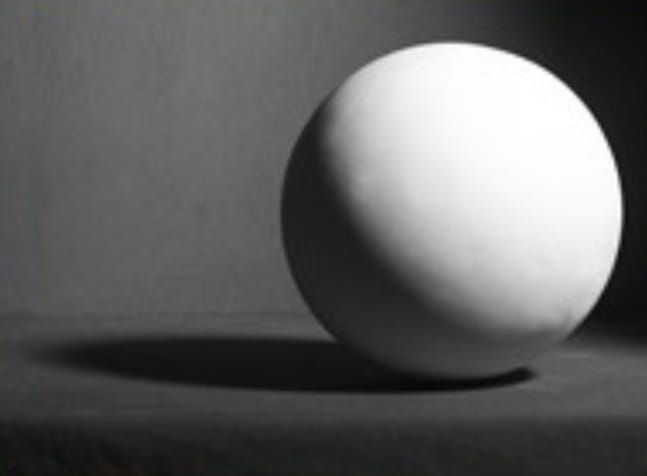
Shading and highlighting are fundamental techniques in art that enhance the realism, depth, and three-dimensionality of a piece. Their value in art can be appreciated through several key aspects:
2(a) Creating Depth and Dimension: Shading and highlighting help transform flat, two-dimensional shapes into forms that appear three-dimensional. By adding these elements, artists can mimic the way light interacts with objects, creating the illusion of depth and volume.
2(b) Defining Form and Texture: These techniques allow artists to define the contours and surfaces of objects. Shading can indicate roughness, smoothness, or any other texture, while highlighting can suggest reflective surfaces or materials.
2(c) Enhancing Realism: The careful application of shading and highlighting is crucial for achieving realistic depictions in art. They help portray the effects of light on different materials, making scenes and objects appear more lifelike.
2(d) Conveying Mood and Atmosphere: The use of light and shadow can dramatically influence the mood of an artwork. High contrast with strong shadows and bright highlights can create a dramatic or tense atmosphere, while softer shading and highlights can produce a serene and calm effect.
2(e) Focusing the Viewer’s Attention: Highlights can draw the viewer's eye to specific areas of the artwork, emphasizing important elements or focal points. Shading can lead the eye through the composition, guiding the viewer’s journey across the piece.
2(f) Artistic Expression and Style: Different approaches to shading and highlighting can define an artist's style. For instance, soft, blended shading might suggest a more classical or romantic style, while stark, geometric shading could indicate a more modern or abstract approach.
2(g) Improving Visual Understanding: For artists, mastering shading and highlighting improves their understanding of how light interacts with objects in the real world. This knowledge is critical for both representational and imaginative works.
In essence, shading and highlighting are indispensable in art for creating realism, depth, and emphasis, enhancing the overall impact and effectiveness of the artwork. They are tools that not only help depict reality but also allow artists to manipulate light and shadow to convey emotions, direct attention, and express their unique vision.
3. Depth and Space:

Depth and space are crucial elements in art that significantly enhance its value by creating a sense of realism, perspective, and immersion. Their importance can be understood through several key points:
3(a) Creating Realism: By effectively using depth and space, artists can create the illusion of three-dimensionality on a two-dimensional surface. This makes the artwork appear more lifelike and relatable, allowing viewers to experience a sense of reality within the piece.
3(b) Engaging the Viewer: Depth and space draw viewers into the artwork, making them feel as if they are part of the scene. This engagement can evoke stronger emotional responses and a deeper connection to the art.
3(c) Guiding the Viewer’s Eye: Artists use depth and space to lead the viewer's eye through the composition. Techniques like linear perspective, overlapping, and size variation help create pathways within the artwork, guiding viewers to important focal points and creating a narrative flow.
3(d) Enhancing Composition: Proper use of depth and space can enhance the overall composition of an artwork, making it more dynamic and interesting. By balancing foreground, middle ground, and background elements, artists can create a harmonious and aesthetically pleasing arrangement.
3(e) Conveying Atmosphere and Mood: Depth and space contribute to the atmosphere and mood of an artwork. For instance, a wide-open space can evoke feelings of freedom or isolation, while a tightly packed, shallow space might create a sense of tension or intimacy.
3(f) Demonstrating Technical Skill: Mastery of depth and space demonstrates an artist's technical skill and understanding of perspective, anatomy, and spatial relationships. This can increase the appreciation and value of the artwork from a technical standpoint.
3(g) Adding Complexity and Interest: Depth and space add layers of complexity to an artwork, making it more engaging and interesting to explore. Viewers can spend more time discovering different elements and perspectives within the piece.
3(h) Supporting Narrative and Context: In narrative art, depth and space help establish context and setting, supporting the story being told. They can indicate the environment, time of day, and spatial relationships between characters and objects, enriching the narrative experience.
In summary, depth and space are essential in art for creating realism, guiding the viewer's experience, enhancing composition, and conveying mood and atmosphere. These elements add significant value by making the artwork more immersive, technically proficient, and engaging.
4. Form and Shape:
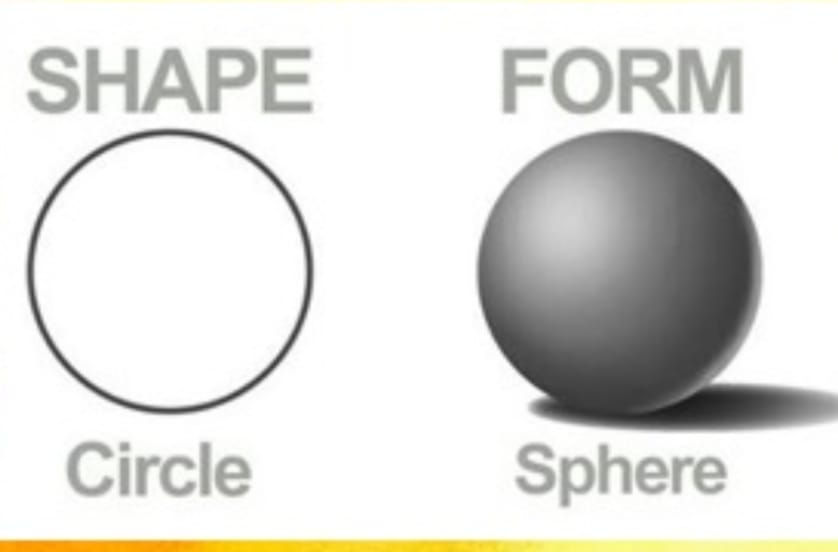
Form and shape are foundational elements in art that greatly contribute to its value by defining structure, guiding composition, and conveying meaning. Here are the key aspects of their importance:
4(a) Foundation of Composition: Form and shape are the building blocks of any artwork. They establish the structure and framework upon which the entire composition is built. By manipulating these elements, artists can create balanced and harmonious works.
4(b) Defining Objects and Figures: Shape refers to the two-dimensional outline of an object, while form refers to its three-dimensionality. Together, they define the physical characteristics of objects and figures, making them recognizable and relatable to the viewer.
4(c) Creating Visual Interest: Varied shapes and forms can add complexity and interest to an artwork. Organic, free-form shapes can convey natural and fluid qualities, while geometric shapes can suggest order and precision. The interplay between different shapes and forms keeps the viewer engaged.
4(d) Expressing Movement and Dynamism: Forms and shapes can be used to suggest movement and dynamism within a piece. Curved lines and shapes can imply fluidity and motion, while angular forms can convey energy and tension.
4(e) Evoking Emotions and Symbolism: Shapes and forms often carry inherent symbolic meanings and can evoke specific emotions. For example, circles can symbolize unity and eternity, while squares might represent stability and order. Artists use these associations to convey deeper messages and emotions.
4(f) Enhancing Realism and Abstraction: Mastery of form is crucial for realistic representation, allowing artists to depict the three-dimensionality of objects convincingly. Conversely, manipulating shapes and forms is essential in abstract art, where these elements can be used to explore and express ideas beyond realistic representation.
4(g) Guiding the Viewer’s Eye: The arrangement of shapes and forms can direct the viewer’s gaze through the artwork, creating a visual path that highlights focal points and important elements. This guides the viewer’s experience and interaction with the piece.
4(h) Supporting Perspective and Space: Form and shape are essential for creating a sense of depth and space in an artwork. By varying the size and placement of shapes, artists can create the illusion of foreground, middle ground, and background, enhancing the three-dimensional effect.
4(i) Demonstrating Artistic Skill: The ability to manipulate form and shape effectively showcases an artist's technical skill and understanding of spatial relationships. This can enhance the perceived value of the artwork from a technical and aesthetic perspective.
In summary, form and shape are vital elements in art that define structure, add visual interest, convey emotions and symbolism, and guide the viewer’s experience. Their effective use enhances the overall impact and value of the artwork, whether in realistic or abstract forms.
Different Pencil Gives Different Values

The variance in values produced by different pencils stems from variations in their graphite composition. Pencils are graded based on their graphite hardness, ranging from soft (dark) to hard (light). Softer pencils like 6B produce darker marks because they contain more graphite, which leaves a heavier deposit on the paper. Conversely, harder pencils like 6H have less graphite, resulting in lighter marks. The grading scale typically ranges from 9H (hardest) to 9B (softest), with HB considered the middle point, offering a balance between darkness and hardness. Beyond graphite composition, factors like lead diameter, wood quality, and manufacturing techniques also influence the pencil's performance. Thus, choosing the right pencil involves considering the desired darkness, line precision, and paper type, ensuring the creation of desired artistic or written outputs.
Each Pencil Can Give More Different Values

Beyond just the graphite hardness, each pencil can offer a range of values due to various factors. Graphite pencils come in different grades within each hardness category, providing subtle differences in darkness and texture. Additionally, the pressure applied while drawing or writing affects the intensity of the mark, allowing for a spectrum of values even with a single pencil. Furthermore, factors like the sharpness of the pencil tip, the angle of the pencil, and the type of paper used all contribute to variations in the values produced. Artists often exploit these nuances to create depth, texture, and dimension in their drawings. Experimenting with different pencils and techniques enables artists to achieve a diverse range of values, from delicate, light strokes to bold, dark lines, adding richness and complexity to their artwork. Thus, the potential for diverse values from each pencil is not only due to its graphite composition but also influenced by a myriad of factors in the drawing process.
!!!!! Few Points To Remember !!!!!
Why value transition exercise is important?
Value transition exercises are crucial because they teach artists how to seamlessly blend tones from light to dark, creating depth, form, and dimension in their artwork. By mastering value transitions, artists can convey realistic lighting effects, enhance three-dimensional illusion, and evoke mood and atmosphere in their compositions. This skill is fundamental across various artistic mediums, from drawing and painting to digital art and photography. Additionally, practicing value transitions improves an artist's understanding of contrast, allowing them to create visually compelling and dynamic pieces that captivate the viewer's attention.
Materials and Techniques
Different art materials and techniques give different values. Graphite Pencil, Charcoal, and other painting methods all create a wide range of values. More practice with all other mediums will give you a better understanding of darkness and lightness which will enhance depth into your paintings.
Conclusion
Embracing the Multifaceted Value of Art
The value of art extends far beyond monetary worth. It lies in its ability to evoke emotion, convey complex ideas, and showcase the artist’s mastery. Art enriches our lives, offering a lens through which we can explore and understand the human experience. Whether through the nuanced gradations of greyscale, the dynamic interplay of depth and space, or the foundational elements of form and shape, art remains an essential and cherished aspect of our world.
By appreciating these diverse elements, we unlock a deeper understanding and greater appreciation for the true value of art.


Comments